
01
Investigate with evidence
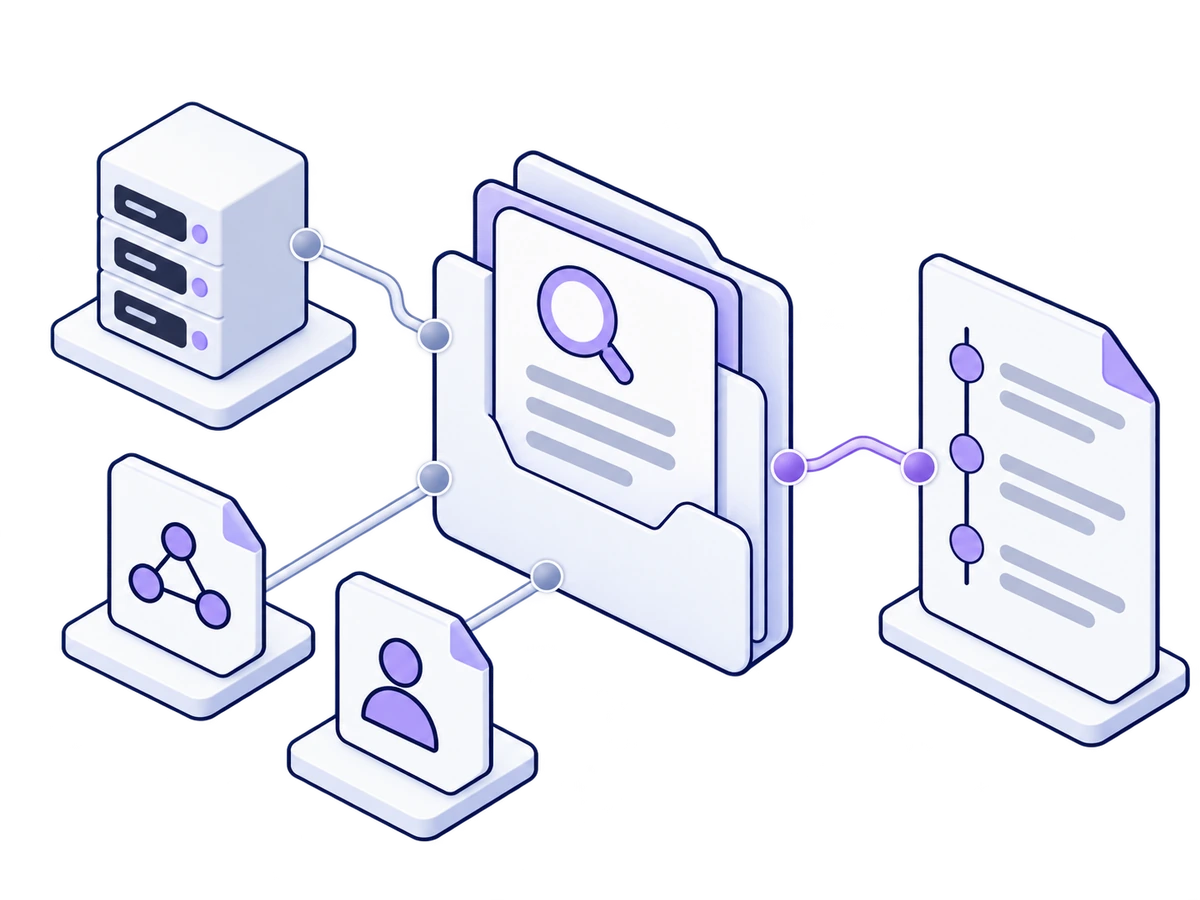
Use Case Management to connect ownership, incident status, evidence inclusion and exclusion decisions with an Incident Timeline.
WERANA / Services
Investigation & work records
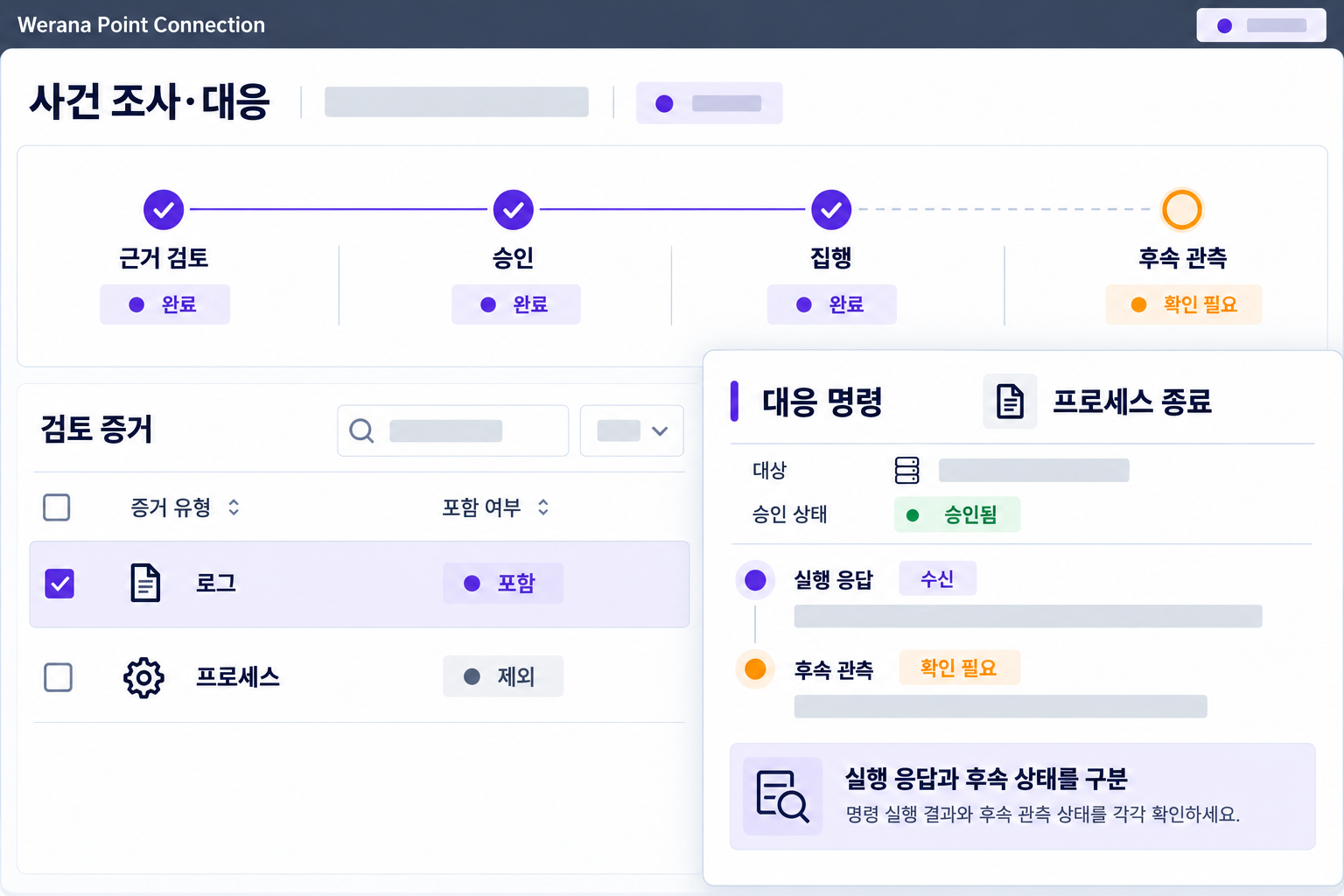
Manage incident ownership, decisions, and status history. Review execution responses separately from subsequent observations.
Review workflow
Record who decided what, the evidence behind the decision, and the response that followed.
01
Use Case Management to connect ownership, incident status, evidence inclusion and exclusion decisions with an Incident Timeline.
02
Use an approval workflow to review supported Incident Response actions: process termination, traffic blocking and network isolation.
03
Keep execution receipts separate from follow-up observations to document response history and outstanding checks.
Environment & coverage
Review the applicable scope based on your assets, collection permissions, and existing security operations.
Security categories to compareEDR · NDR · XDR · SIEM · SOAR · DFIR
Execution is limited to supported response actions, authorized roles, and approval conditions.
FAQ
Review the execution response, subsequent observations, and service state separately before deciding what remains to be checked.
EDR and NDR focus on endpoint and network detection and response; XDR connects security domains; SIEM manages security information and events; and SOAR integrates tools and automates response workflows. Compare this service's evidence, ownership, approvals, response commands and follow-up observations. Confirm third-party integrations and playbook coverage separately.
DFIR combines digital forensics and incident response. Managing evidence and timelines is separate from providing memory or disk imaging and a complete forensic analysis toolset. Review supported evidence, response commands, collection, retention and approval conditions.
Tell us about your environment and security priorities. We will help review supported capabilities and collection requirements.